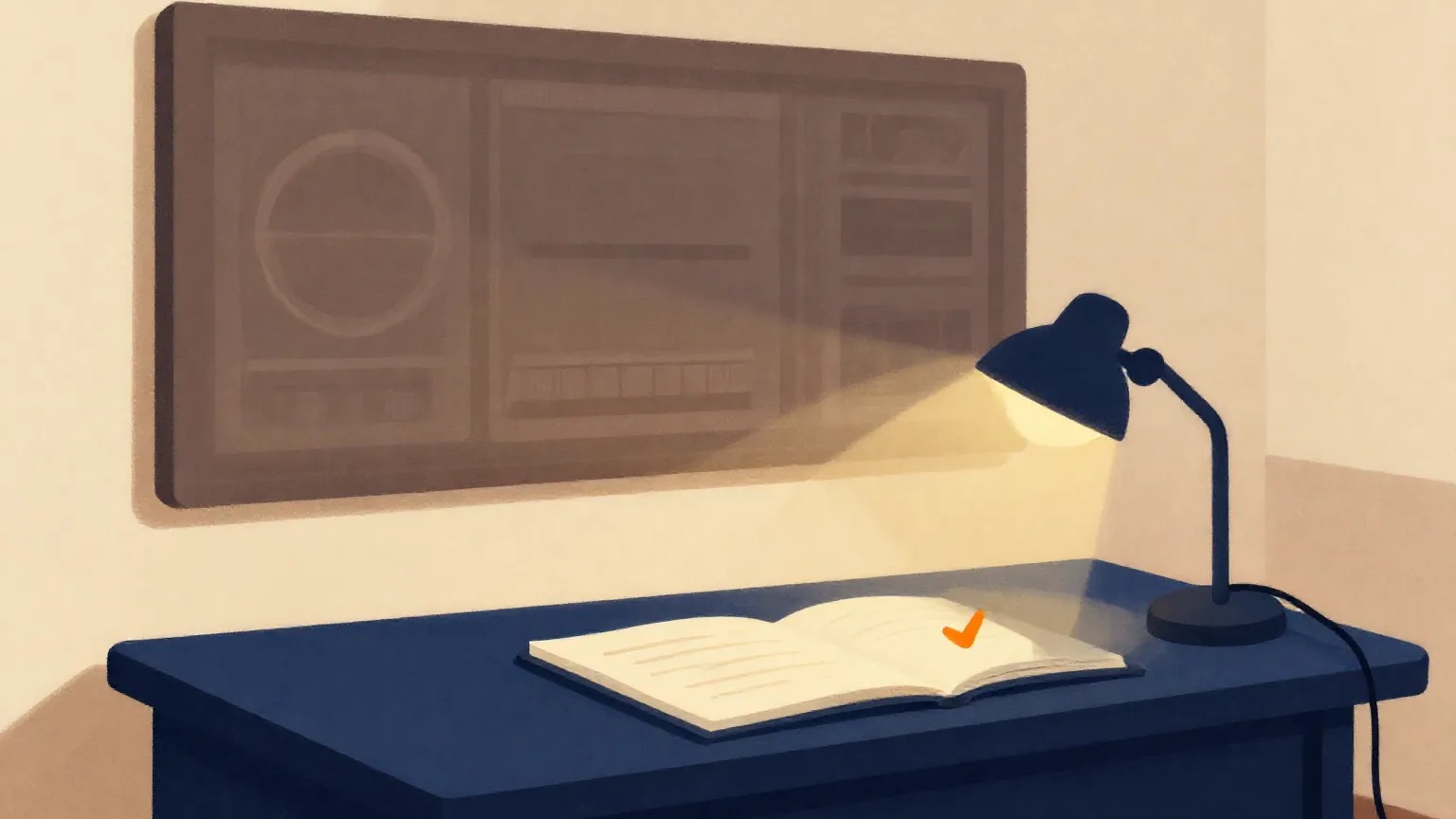
Designing for the operator, not the dashboard
A dashboard tells you what's happening. The operator needs the next move — and that's where LLMs earn their keep.
A dashboard is a deliverable. The operator's next move is the product. Most "AI-powered" industrial apps I see still get this backwards — they bolt a chat box onto a chart and call it a copilot. The chart was already there. The operator already knew the number was red. What they needed was the next concrete step, and the app didn't have one.
I keep running into this when I sit with the people actually doing the work. The control-room operator at 3am isn't short on information. They're short on time, and short on confidence that the thing the app is telling them is real. A model that can help them is a model that lives inside the step they're about to take — not in a separate tab they have to remember to open.
Operators don't need summaries. They need specifics.
The default failure mode of an LLM layer over an industrial system is the summary panel. "Production is trending down this week." "Three assets are flagged for attention." The operator reads it and thinks: yes, I know.
The version that earns its place reads more like this. Valve 3B has been throttled 18% for the last six hours. The last two times we saw this pattern on this unit, it was an instrument drift on the upstream sensor — here's the work order template, pre-filled with the tag and the symptom. Same model, same data, but the unit of value is now the action, not the observation.
That shift — from "what's happening" to "what to do next" — is the whole game. Everything else is decoration.
Meet them where they work
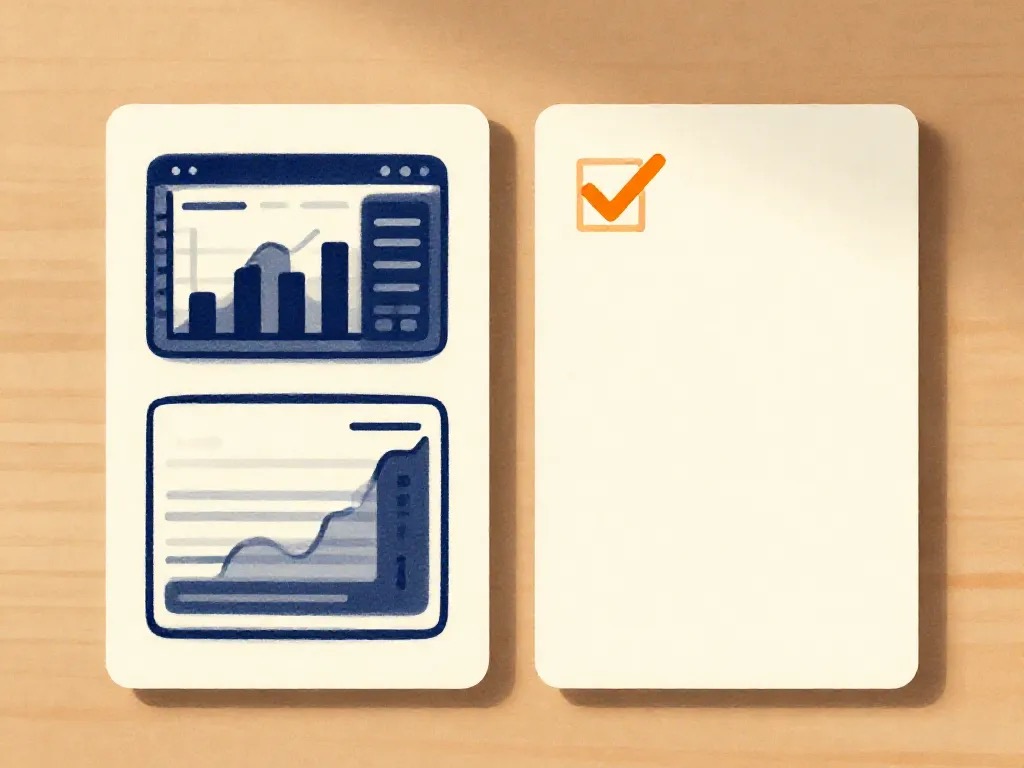
The instinct with a new AI feature is to give it a home: a new tab, a new panel, a new sidebar. That's how you guarantee no one uses it. Operators already have their workflow — the shift handover note, the daily plan, the radio chatter, the ticket they're typing into the CMMS. The model needs to show up there.
The closer the model sits to the muscle memory of the job, the smaller the learning curve becomes. The best version of a learning curve is no curve, because there's nothing new to learn — the operator is doing what they always do, and the model is in the loop without announcing itself. A line in the handover note that wasn't there before. A draft work order that's already 80% filled when they click into it. A summary at the top of the shift report they were going to write anyway.
The chat box, ironically, is often the worst place to put the LLM. It assumes the operator wants to talk to the system. Mostly they want the system to quietly do its share of the typing.
Narrow promises, kept
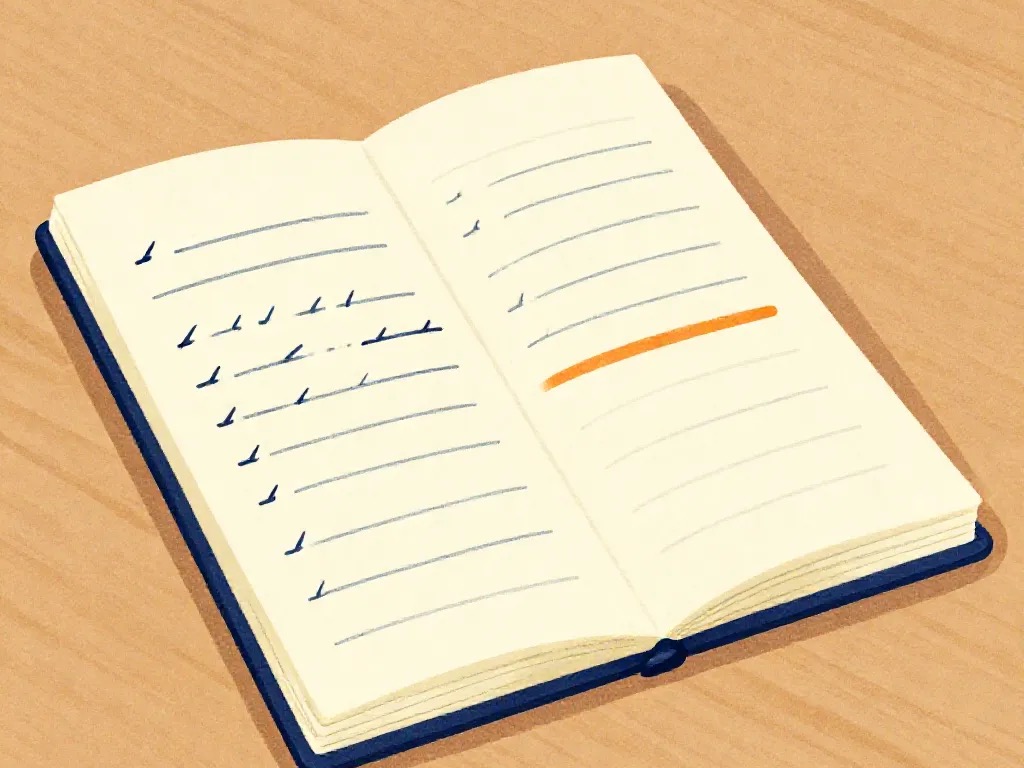
The other thing that kills these tools in the field is the long tail. A generic copilot that promises to answer anything will, on the fiftieth question, confidently answer wrong — and the operator will never trust it again. One bad answer at 3am undoes a hundred good ones.
A model that answers five questions reliably beats a model that answers fifty unreliably. So narrow the surface. Pick the handful of decisions the operator actually makes in a shift — the throttle adjustment, the callout vs. defer decision, the handover summary — and make the model excellent at those. Refuse the rest. The operator will use the tool exactly because they know its edges.
This is unglamorous to demo. A dashboard with seventeen sparkline widgets demos beautifully. A tool that quietly drafts three sentences of a handover note doesn't. But one of them gets used on day two, and the other gets a polite nod and then nothing.
Design for the person doing the job
The shorthand I keep coming back to: design for the person doing the job, not the person watching the job. The dashboard is for the watcher. It's a status report, dressed up. It's the right artifact for a stand-up, a quarterly review, an exec readout. It is not the right artifact for the person whose hands are on the system at 3am.
The LLM-powered apps that are going to matter in industrial operations look less like dashboards and more like a quiet, competent second pair of hands. They go into the nitty-gritty. They give the operator the next step, in the place they were already working, with promises narrow enough to keep. They earn trust the same way a good coworker does — by being right about the small things, often.
The dashboard isn't going away. But it was never the product. The operator's next move always was.